
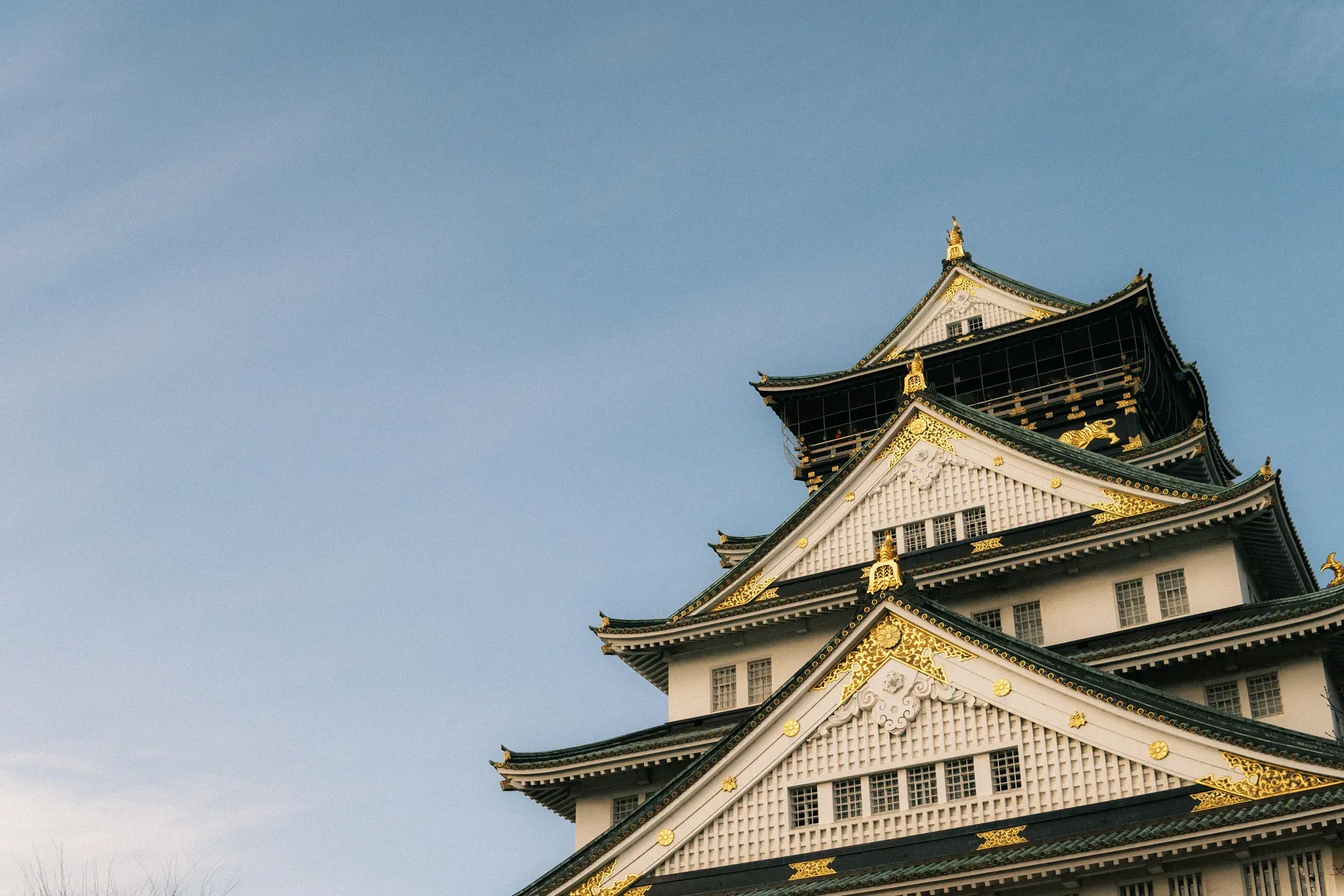
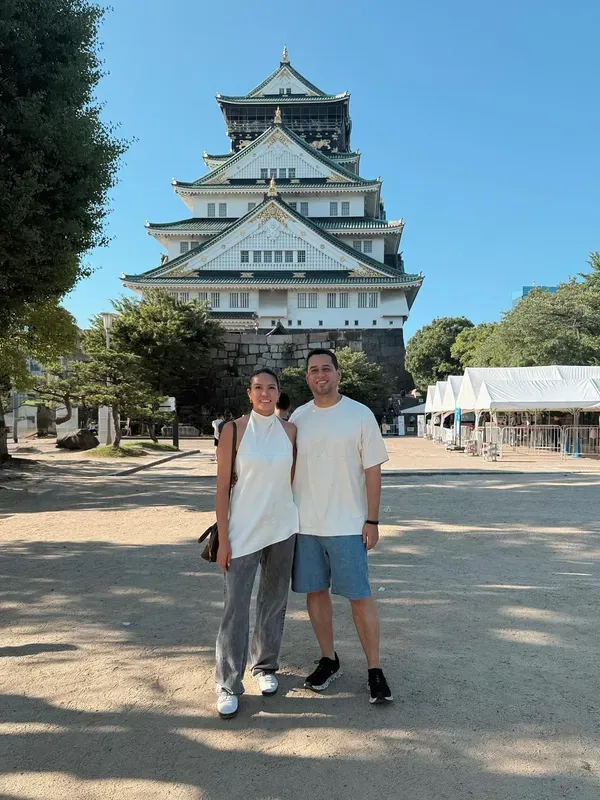
Construction of this 55-meter fortress began in 1583 under Toyotomi Hideyoshi, standing today atop massive stone walls within a 105.6-hectare park. The 1931 reconstructed main tower contains an eight-story museum featuring historical artifacts, a golden tea room replica, and a 50-meter-high observation deck.
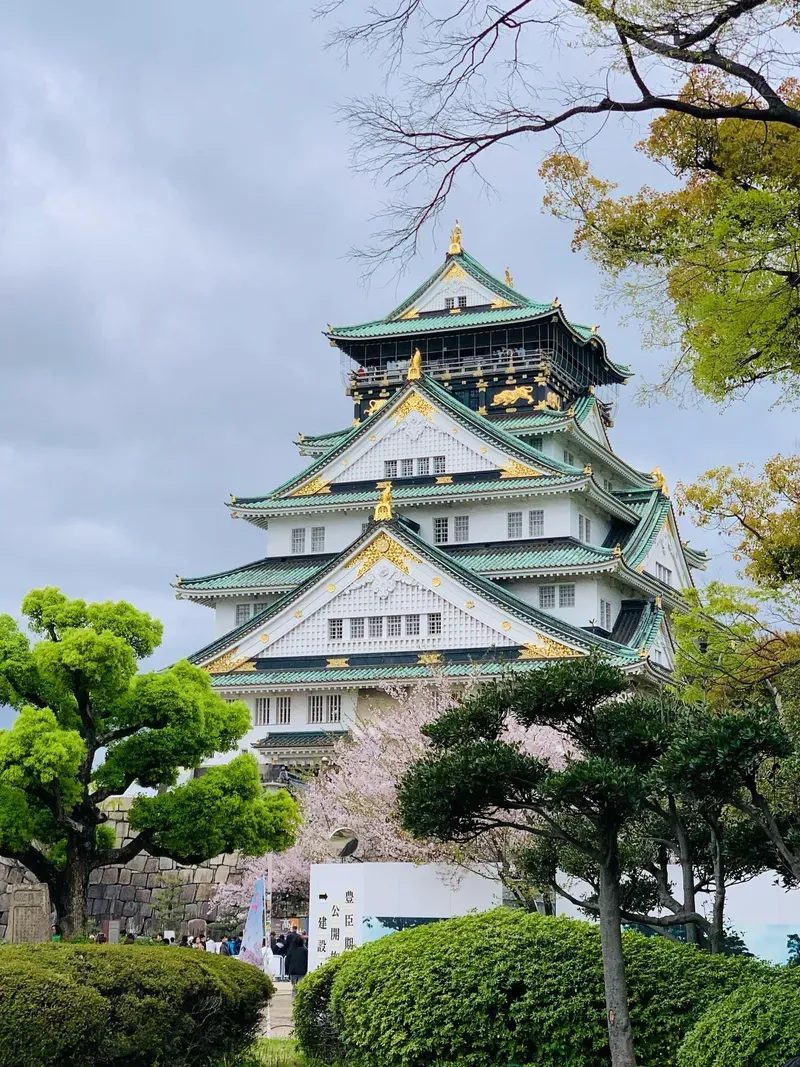
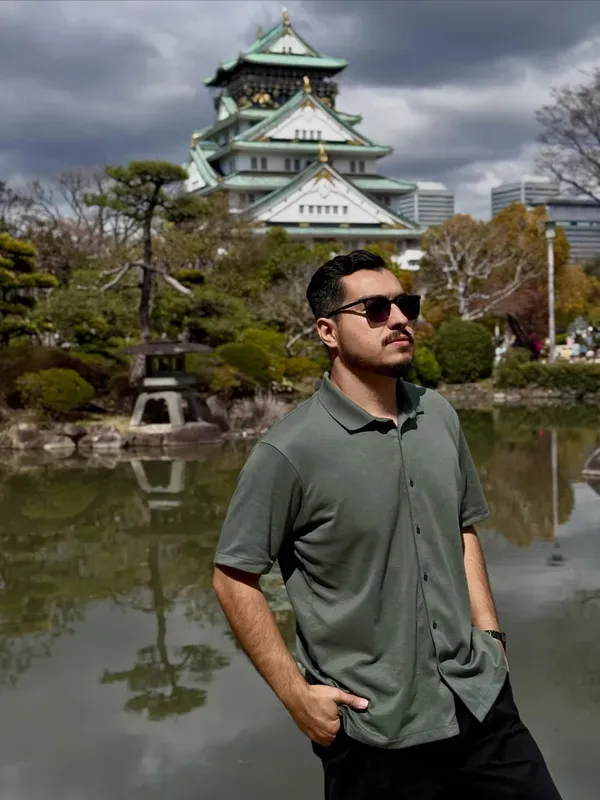
Find Guided ToursOsaka Castle (Osaka-jo) is a prominent Japanese fortress and museum located in Chūō-ku, positioned on the northern end of the Uemachi Plateau. The 55-meter-tall main tower sits atop two raised platforms of landfill, supported by sheer stone walls and impressive moats. It anchors an expansive 105.6-hectare park, creating a central historical and cultural hub within the modern city.
The site holds a designation as a Special Historic Site and ranks as one of Japan's "Three Famous Castles," alongside those in Nagoya and Kumamoto. It is widely recognized as a symbol of the unification of Japan. The fortress originally served as the power base for Toyotomi Hideyoshi, the historical figure known as the "Great Unifier."
Toyotomi Hideyoshi began construction on the original fortress in 1583. This initial structure was short-lived, as Tokugawa forces destroyed the castle in 1615 during the Siege of Osaka. The Tokugawa Shogunate rebuilt the complex in the 1620s. Decades later, the main tower was struck by lightning and burned down in 1665, leaving the castle without its central keep for centuries.
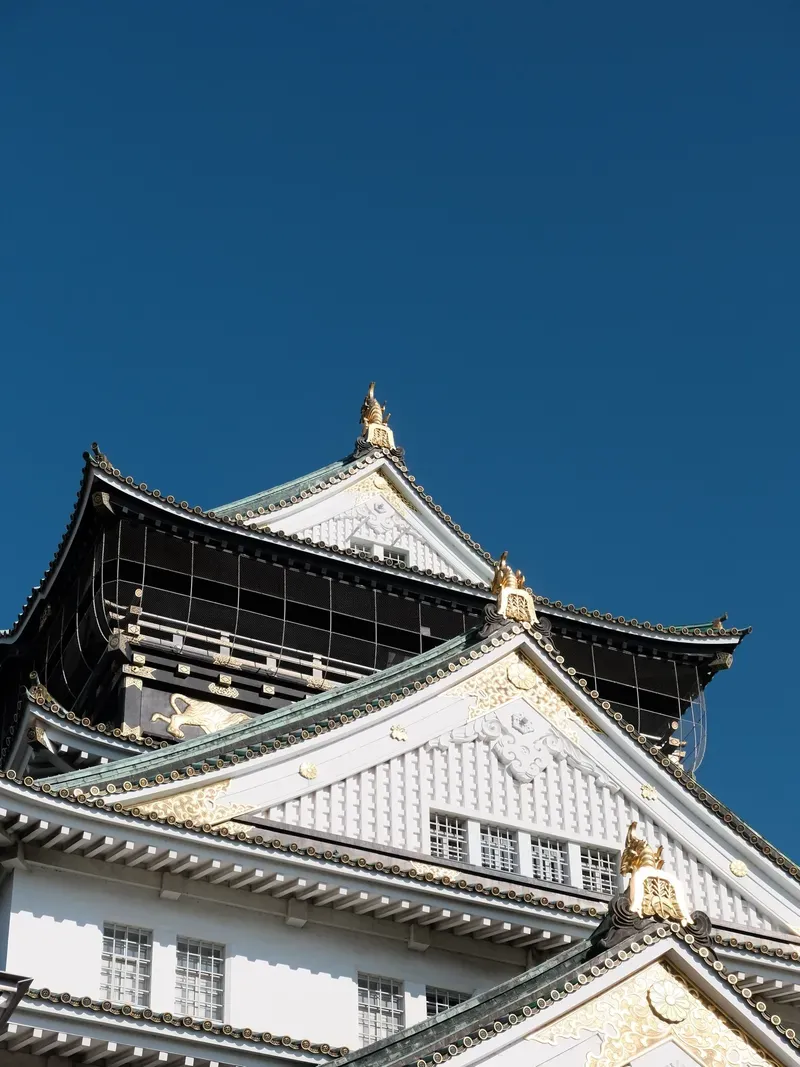
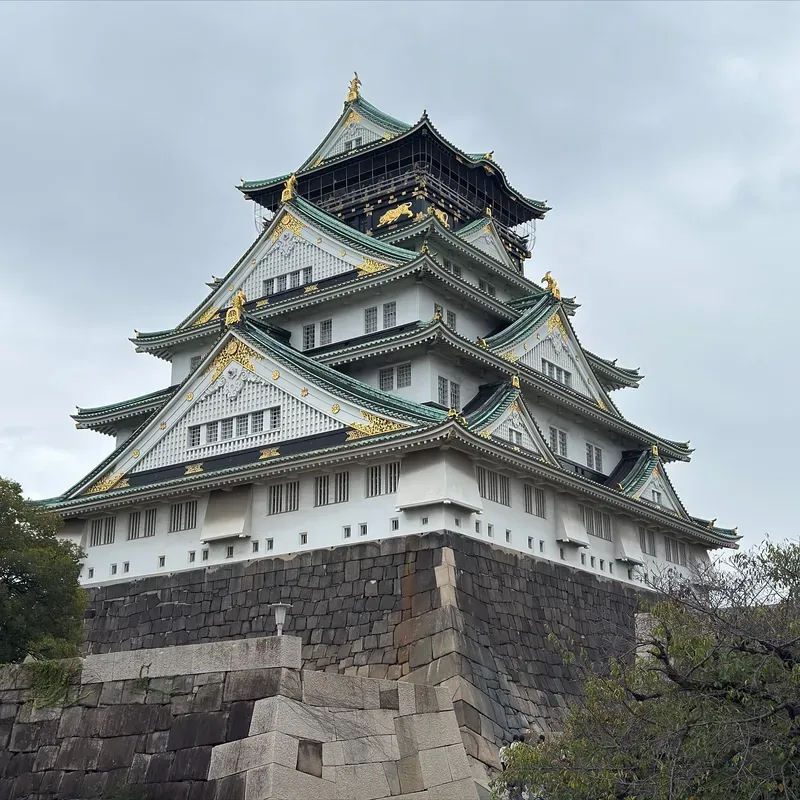
The main tower standing today is a 1931 ferroconcrete reconstruction. It displays five stories on the exterior while containing eight internal floors. These interior levels function as a museum, which underwent a major restoration in 1997 to modernize its facilities. The surrounding defensive walls still feature massive original megaliths, most notably the Tako-ishi (Octopus Stone). Measuring 5.5 by 11.7 meters, this enormous stone weighs approximately 108 tons.
Discover the full history and cultural significance on our About page.
The eighth-floor observation deck stands 50 meters above ground, providing a panoramic vantage point over Osaka. Take the elevator to the fifth floor and walk up the remaining stairs. From the top, you can survey the expansive 105.6-hectare park grounds and the modern skyline.
Board a gold-leaf-covered vessel modeled after Toyotomi Hideyoshi’s original ship for a 20-minute ride along the inner moat. This perspective allows you to examine the sheer stone walls and two raised landfill platforms supporting the 55-meter main tower from the water level.
The castle walls contain massive stone blocks, the largest being the Tako-ishi. Weighing approximately 108 tons and measuring 5.5 by 11.7 meters, this megalith highlights the immense scale of the 17th-century fortifications constructed by the Tokugawa Shogunate.
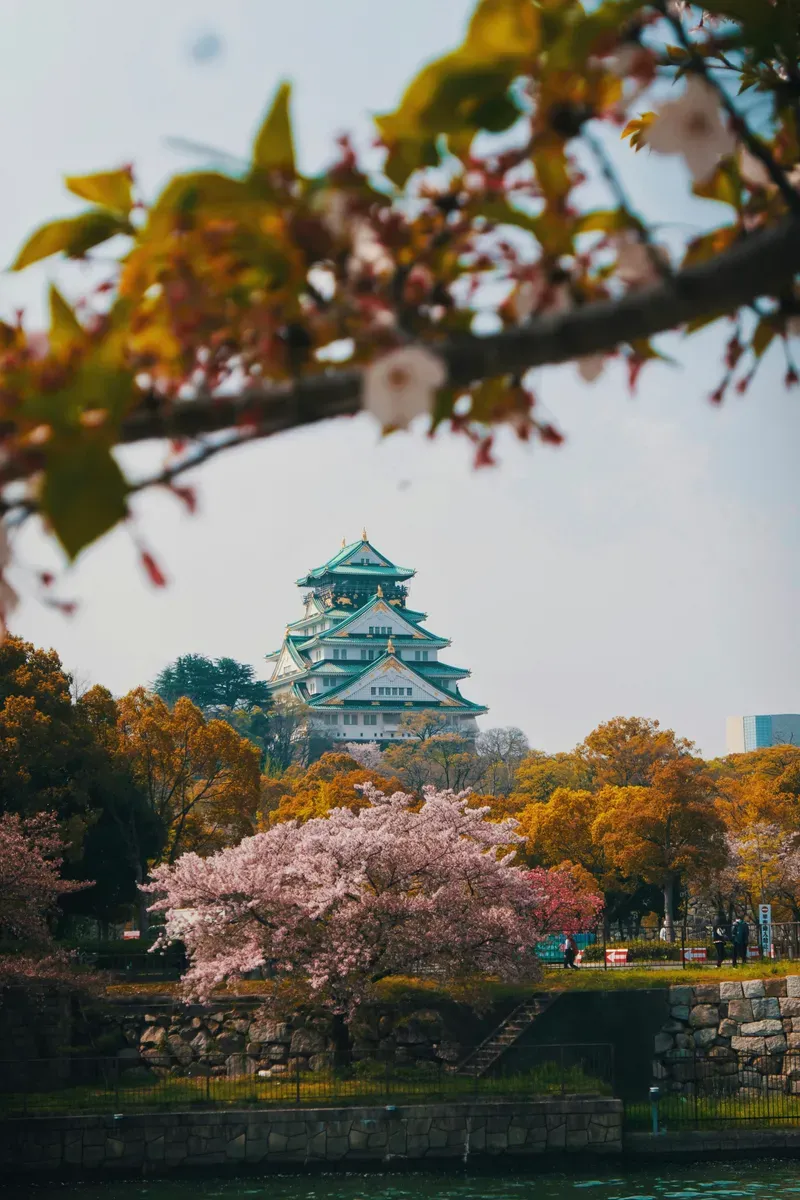
This 6.5-hectare lawn garden contains 300 of the park's roughly 3,000 cherry trees. Visiting in April yields peak seasonal foliage and provides the clearest unobstructed view of the main tower. The general park is free, but this specific enclosure requires an admission fee.
Hand-picked tours with free cancellation and verified reviews
 Free Cancellation 1h 30min
  Free Cancellation 5h
  Free Cancellation 4h
  Free Cancellation 1h
  Free Cancellation 1h
  Free Cancellation 3h
  Free Cancellation 2h
  Free Cancellation 2h
 The ideal times to visit Osaka Castle are April for the cherry blossoms and November for the autumn foliage. Visitors should avoid July and August due to high risks of heatstroke on the exposed paths.
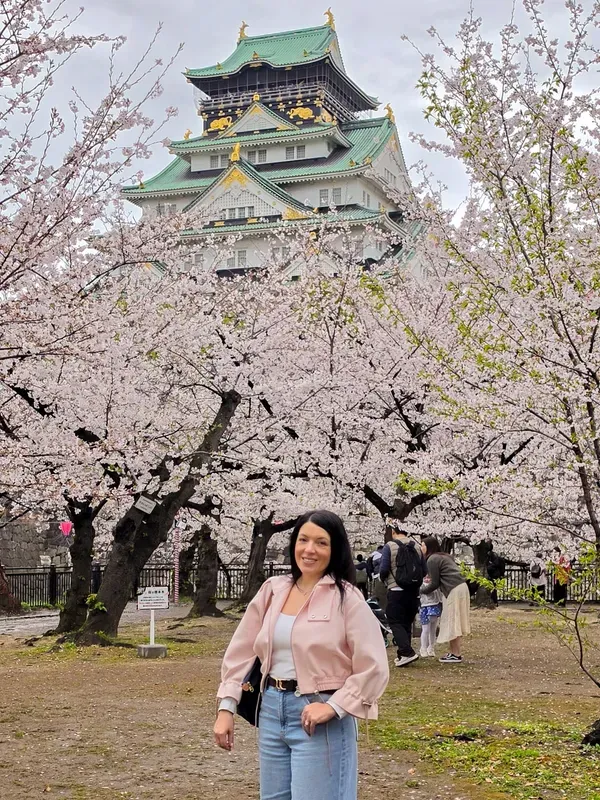
Late March to April brings peak cherry blossoms across the park's 3,000 trees, including 300 in Nishinomaru Garden. Expect extended opening hours but also elevator wait times exceeding 45 minutes.
June brings the peak rainy season, while July and August introduce extreme humidity and heat. The 15 to 20-minute walk from the station lacks shade, creating a high heatstroke risk.
November provides peak visual beauty with autumn foliage across the 105.6-hectare park. Cooler temperatures make the 1.5 to 2-kilometer walk from the train stations much more comfortable for visitors.
The castle grounds feature around 1,270 plum trees that typically bloom late in the season. Note that the main tower and facilities close during the New Year period from December 28 to January 1.
The main tower operates daily from 09:00 to 17:00, with last admission at 16:30. Operating hours are extended during the cherry blossom season and Golden Week. The interior is closed annually from December 28 to January 1. The surrounding 105.6-hectare park is a public space and remains open continuously.
| Category | Price |
|---|---|
| Adults | 1,200 JPY (scheduled increase from 600 JPY in 2025/2026) |
| Children (15 and under) | Free |
Entry to the general park grounds is free; admission fees apply only to the main tower and Nishinomaru Garden. Advance booking is not required for individuals. Purchasing tickets online or via on-site QR codes allows visitors to bypass physical ticket lines, which can exceed 30 minutes. The Osaka Amazing Pass includes free entry to the main tower.
For complete schedules and ticket prices, visit our Hours & Fees page.
Osaka Castle is accessible from major city hubs via the JR line, subway network, or taxi. Visitors should note that walking from the nearest transit stops to the main tower takes roughly 15 to 20 minutes across the expansive park grounds.
📍 Chūō-ku, Osaka
Departing from Osaka Station, travelers can take the JR Osaka Loop Line directly to Osakajokoen Station. This route covers 4.5 kilometers and is highly convenient for visitors holding an active JR Pass. Upon arriving at the station, expect an additional 1.5 to 2 kilometers of walking to reach the main tower. The total transit time on the train is brief, keeping the journey efficient.
From Namba Station, navigate the subway system by boarding the Sennichimae Line. Ride to Tanimachi 9-chome, then transfer to the Tanimachi Line and exit at Tanimachi 4-chome Station. This 5.5-kilometer route places you near the Otemon Gate, providing excellent views of the massive stone walls. The walk from the subway exit to the central fortress takes about 15 to 20 minutes.
Taxis offer a direct route from central areas like Umeda or Namba to the castle park perimeters. The drive spans 5 to 6 kilometers and bypasses the crowded public transit networks. Drivers can drop passengers off directly at park entrances, such as the southwest Otemon Gate. From the drop-off point, visitors can utilize electric road trains for an additional fee to minimize walking.
For detailed transport options and routes, visit our Directions page.
Wait times for the main tower elevator can exceed 45 minutes during busy seasons. Bypass the crowds by taking the elevator directly to the 5th floor upon entry. Walk up the remaining stairs to the 50-meter-high observation deck on the 8th floor. You can then explore the museum exhibits at your own pace while walking back down.
Physical ticket booth lines often exceed 30 minutes. Purchase your admission online or scan the site's QR code to enter directly. Keep in mind that the adult entrance fee is scheduled to double from 600 JPY to 1,200 JPY starting in 2025.
Approaching the grounds via the southwest Otemon Gate provides the most impressive perspective of the moats and fortifications. You will pass by the massive stone walls supporting the 55-meter tower. Look out for the Tako-ishi, the largest megalith in the castle walls weighing 108 tons.
The Osaka Museum of History sits just a 5-minute walk away in a high-rise building. Go there before touring the 105.6-hectare park to view a detailed scale model of the castle. The building also provides an excellent overhead perspective of the entire grounds.
Walking from the nearest train stations to the main tower takes 15 to 20 minutes across exposed paths. Heatstroke is a significant risk during August. Pay a small fee to ride the electric road trains if you want to avoid the 1.5 to 2 kilometer walk.
The museum strictly prohibits photography on the 3rd and 4th floors to protect historical artifacts. Flash photography is banned in most indoor areas. Leave your drone at home, and avoid using tripods or selfie sticks inside the tower or crowded park spaces.
Housed in a high-rise building across from the castle, this facility features detailed archaeological exhibits. Viewing the scale model here helps visitors understand the layout before walking the 105.6-hectare grounds. It also provides excellent bird's-eye views of the park.
This former military headquarters now operates as a shopping and dining complex. Guests can access the rooftop terrace for a different vantage point. It provides a highly convenient stop right next to the castle.
This major multi-purpose arena hosts international concerts and sporting events. It is situated just a short distance from the main castle grounds. Visitors can easily coordinate a historical tour with a large-scale performance.
Read what travelers share about their experience visiting Osaka Castle — from practical tips to personal highlights.

Adult admission to the main tower is approximately 1,200 JPY, while children 15 and under enter for free. Advance booking is not required for individuals, but purchasing tickets online or via on-site QR codes allows you to bypass physical ticket lines that can exceed 30 minutes. The surrounding 105.6-hectare park is free to enter.
The main tower is open daily from 09:00 to 17:00, with the last entry accepted at 16:30. Most visitors spend between 1.5 and 3 hours exploring the museum and the surrounding grounds. The castle is closed during the New Year holiday period from December 28 to January 1.
Take the JR Osaka Loop Line directly to Osakajokoen Station, which takes about 10 minutes and costs 180 JPY. From the station, expect a 1.5 to 2-kilometer walk taking 15 to 20 minutes to reach the main tower. If you prefer to minimize walking, taxis from central Osaka cost between 2,000 and 3,000 JPY and can drop you off directly at park entrances like the Otemon Gate.
Yes, the main tower is equipped with an external elevator and internal lifts that reach the 5th floor. Visitors without mobility issues must use the stairs to access the final three levels up to the 8th-floor observation deck. Keep in mind that some paths in the surrounding park feature steep slopes or uneven gravel.
Yes, the Osaka Amazing Pass provides free entry to the main tower. It also covers the Gozabune boat ride, a 20-minute cruise along the inner moat in a gold-leaf-covered boat.
There is no formal dress code, but comfortable walking shoes are highly recommended due to the sheer size of the grounds. Drones are strictly prohibited throughout the park. Tripods and selfie sticks are also restricted inside the tower and in crowded outdoor areas.
Photography is permitted in most areas, but it is strictly prohibited on the 3rd and 4th floors to protect historical artifacts. Flash photography is banned in most indoor sections. Local privacy laws are strict, so avoid photographing local children or identifiable individuals without explicit consent.
Late March to April is ideal for viewing the park's roughly 3,000 cherry trees, while November offers peak autumn foliage. You should avoid visiting in August due to extreme heat and humidity. The walks from the stations lack shade, making heatstroke a common risk during the peak summer months.
Browse verified tours with free cancellation and instant confirmation.
Find Tours